
Research
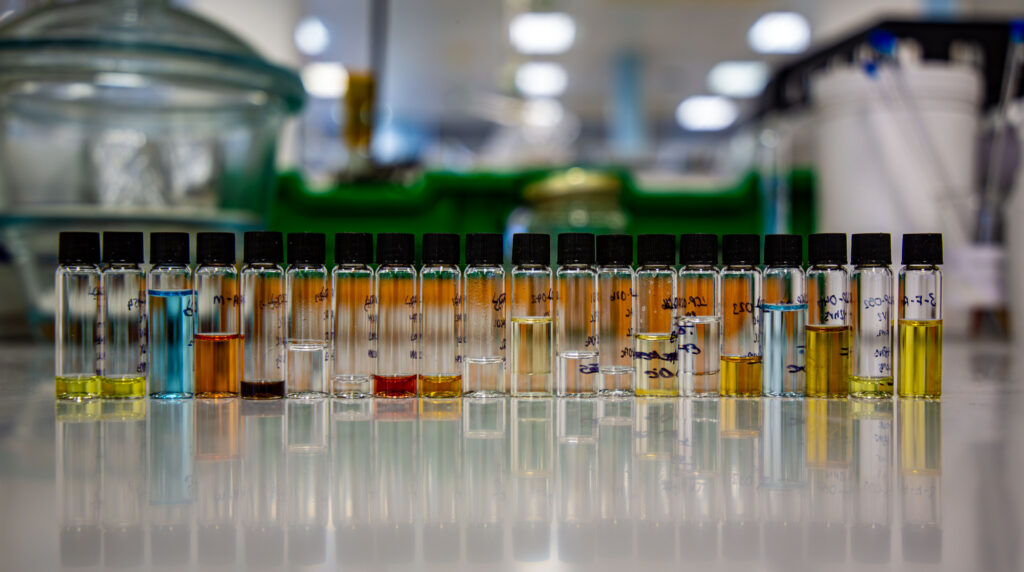
Our research sits at the interface of chemical biology, functional genomics, and chemistry, with a focus on developing covalent chemical tools. We combine molecular design and genomic approaches to probe biological systems, elucidate mechanisms, and enable new therapeutic strategies.
Chemical Tools to Study Disease Biology
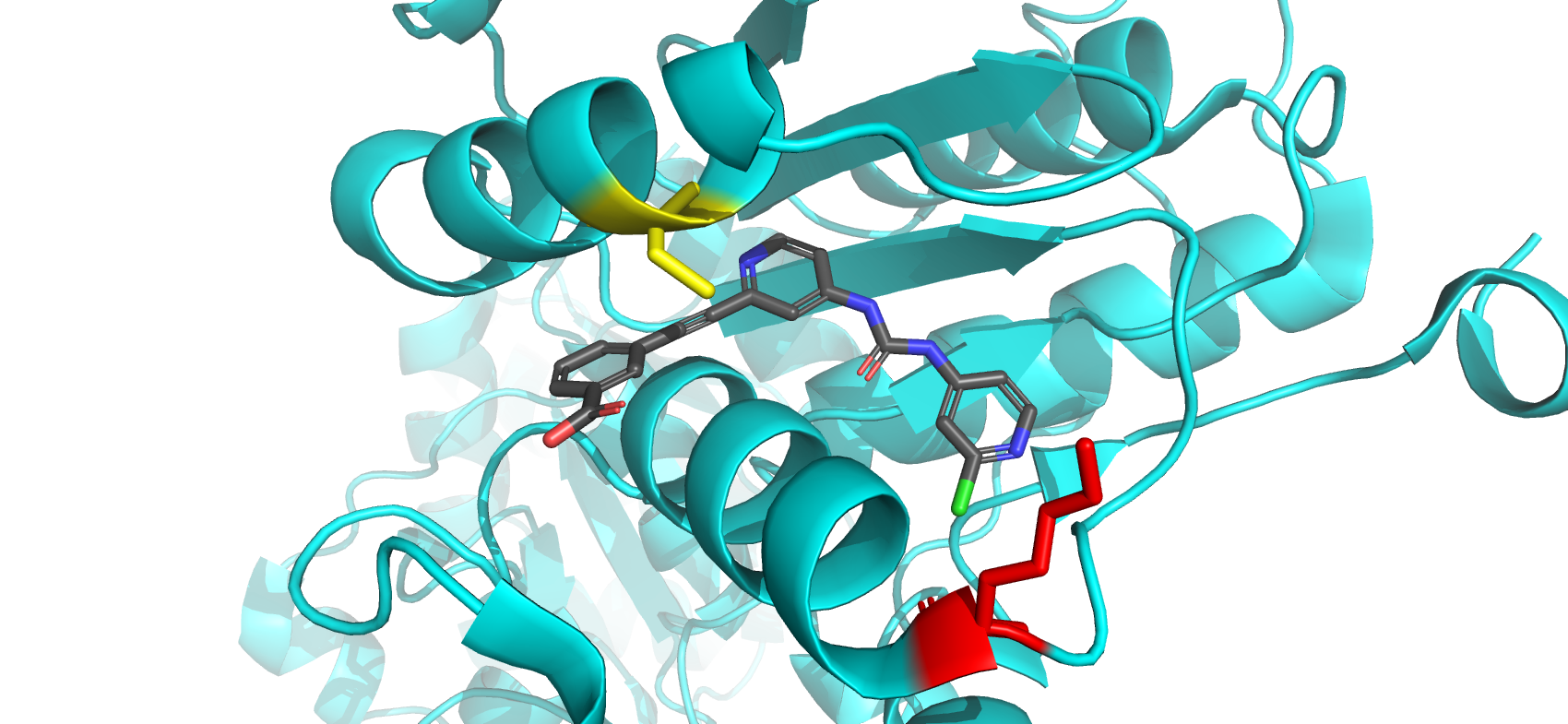
One of the key research areas within the MCCB is the development of innovative chemical tools to investigate fundamental biological processes underlying human disease. Our current research focuses on designing small molecules for biological studies, particularly in situations where genetic manipulation of endogenous systems is difficult or may affect experimental outcomes. We are particularly interested in investigating protein-protein interactions and how these interactions are modulated within specific cellular organelles, using approaches such as chemical synthesis, molecular biology, and chemo-proteomics
Targeted Protein Degradation
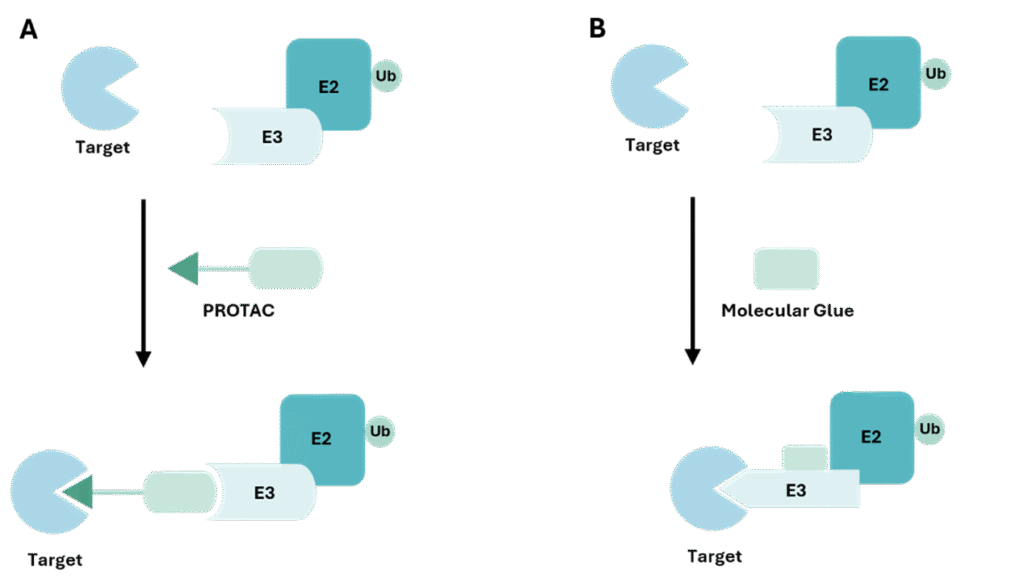
As part of our interdisciplinary research, we explore innovative therapeutic approaches, particularly targeted protein degradation (TPD). Within the MCCB, we develop and apply novel techniques to identify and characterise E3 ligase neo-substrates induced by small molecules, to understand their impact on drug activity. Additionally, we aim to develop innovative chemistries to enhance the physicochemical and pharmacological properties of TPD molecules, advancing their potential for clinical application.
Antimicrobial Drug Discovery
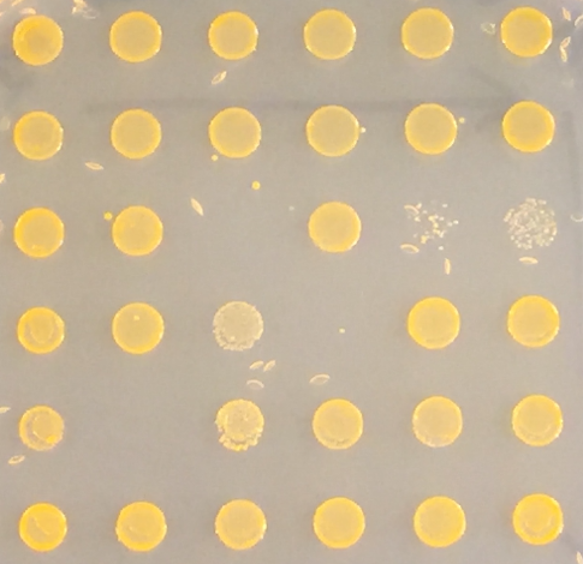
The rapid emergence of antibiotic resistance among pathogenic microorganisms has become a global public health concern, necessitating the urgent development of novel antimicrobial drugs. Currently, most antibiotics target bacterial growth, which has led to a rise in antibiotic resistance. We are investigating various strategies as alternatives to traditional antibiotic therapeutics. This project is ongoing in collaboration with microbiologists, and we have various compounds in development, as well as target identification projects ongoing.
Development of Novel Synthetic Methodology
We have a keen interest in the development of novel synthetic methodology to access compounds with applications towards drug development and new materials. The group has expertise in the development of organocatalytic and transition-metal catalytic transformations. The synthetic methodologies developed in the group are focused on the use of greener conditions/reagents and sustainability. This area of research is also closely tied to “Enabling Technologies for Synthesis”.
Enabling Technologies for Synthesis
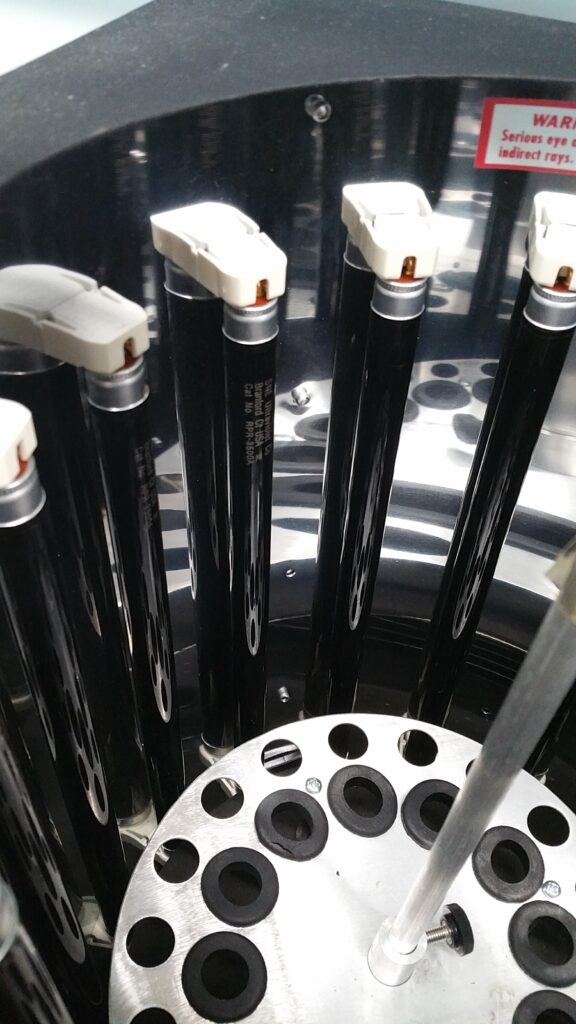
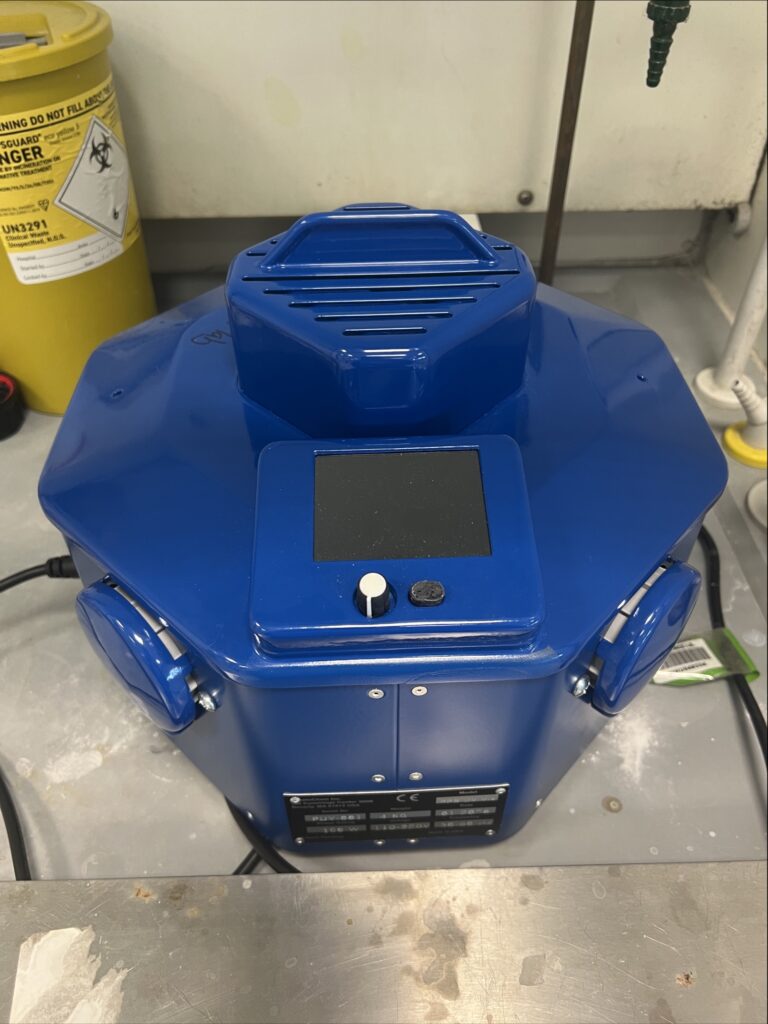
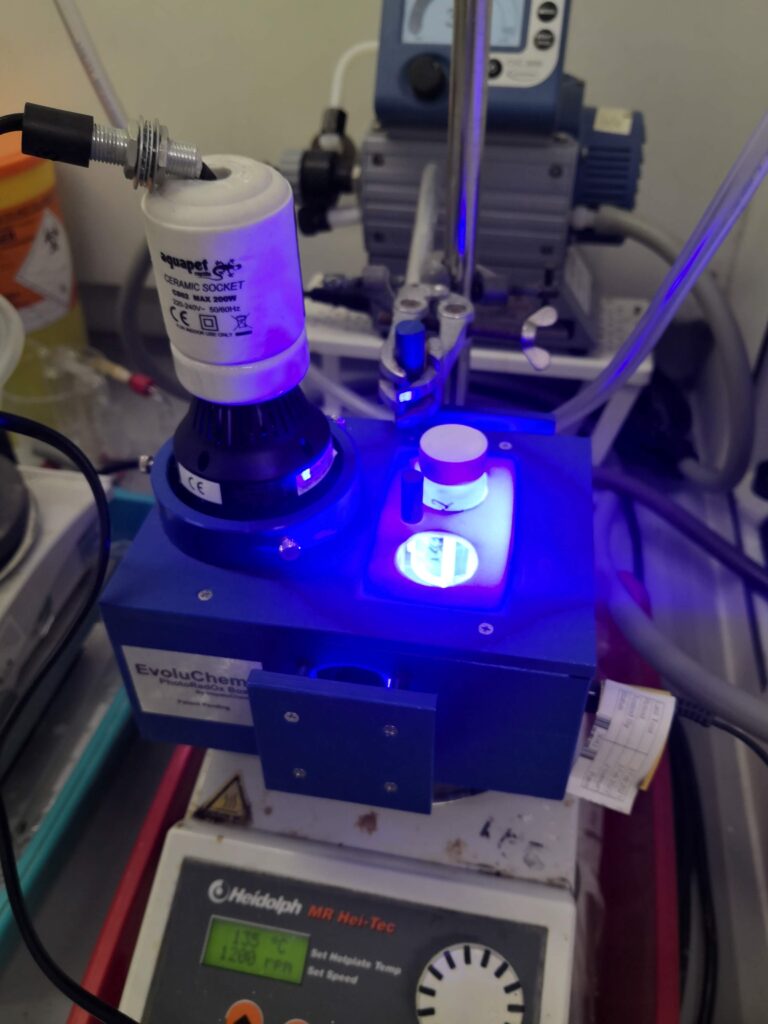
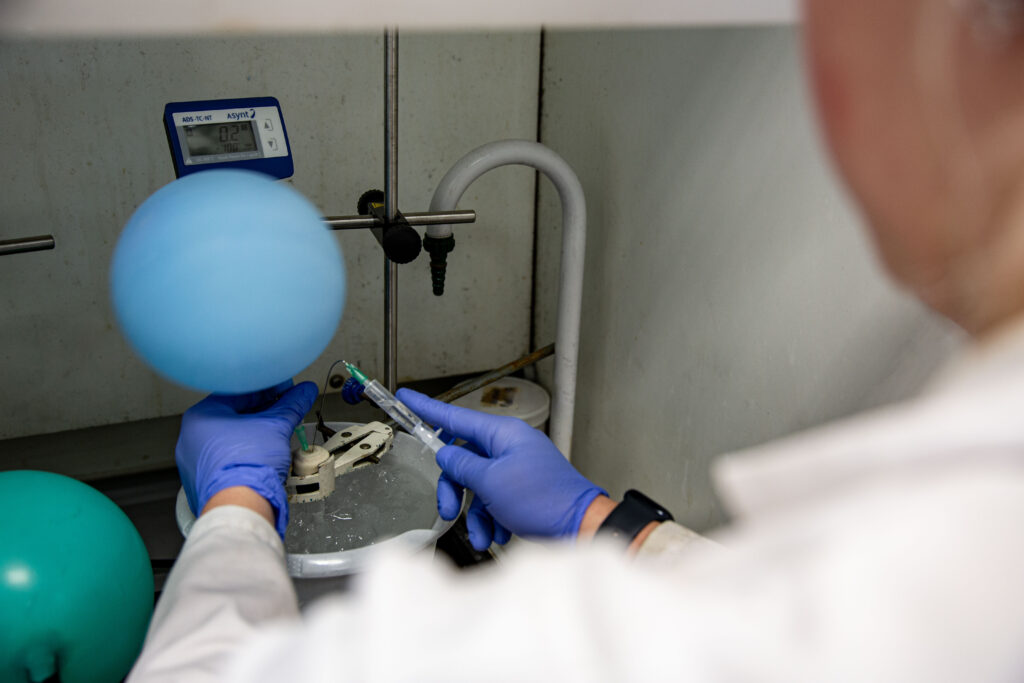
The group has expertise in the use of enabling technologies to support organic and medicinal chemistry. We have a keen interest in using photochemistry, electrochemistry and flow chemistry to mediate organic transformations. These technologies enable greener, more sustainable, and safer conditions to be developed. Under these conditions, transformations can be accessed that would be either difficult to complete (or not possible) using conventional reaction conditions. We are always looking for new ways to apply these technologies to benefit our medicinal chemistry and chemical biology projects.